
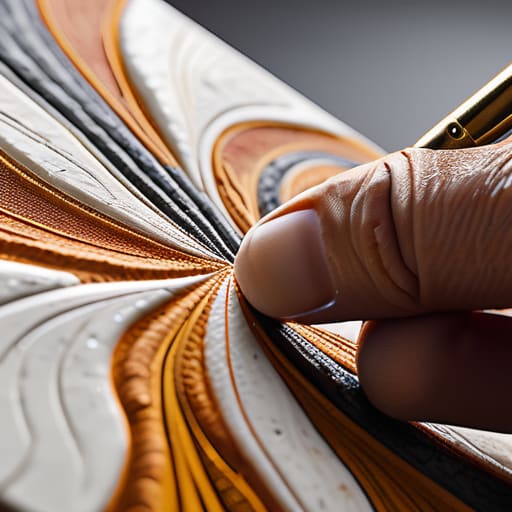
I still remember the smell of damp plaster and the stinging realization that I’d just spent three weeks—and a small fortune—trying to mimic a Carrara slab, only to have it look like a poorly painted sidewalk. Most “experts” will tell you that achieving high-end Scagliola faux marble veining requires a PhD in chemistry or a bank account large enough to buy Italian imports. They make it sound like some mystical, gatekept secret reserved for palace restorers. But let me tell you something: most of that high-priced advice is just expensive fluff designed to make you feel like you can’t do it yourself.
I’m not here to sell you a dream or a complicated textbook; I’m here to give you the actual, gritty reality of how this works. In this guide, we’re going to strip away the pretension and focus on the real mechanics of layering color and movement. I’ll show you how to master the flow of the vein so it looks organic, not forced, and how to avoid the rookie mistakes that turn a luxury finish into a DIY disaster. Let’s get to work.
Table of Contents
Mastering Scagliola Pigment Application for Depth
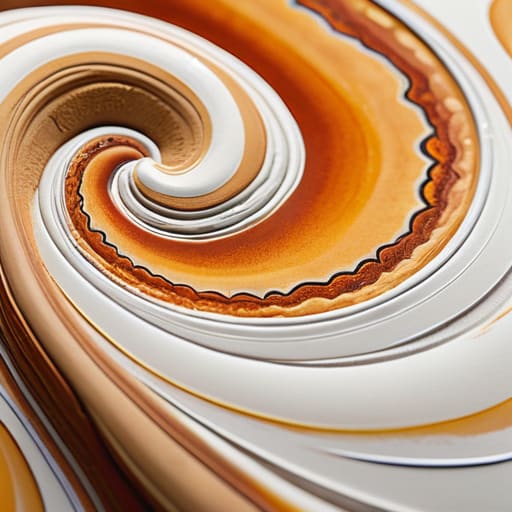
The secret to moving past a flat, “painted-on” look lies entirely in how you handle your color. If you just slap a single shade onto the surface, you’ll end up with something that looks more like a cheap imitation than a luxury stone. To truly master scagliola pigment application, you have to think in layers. You aren’t just coloring a surface; you are building a history of mineral deposits. Start with a base tint that mimics the deep, recessive tones of the stone, then introduce your more vibrant pigments while the plaster is still workable.
This is where the magic of faux marble color blending happens. Instead of aiming for perfect uniformity, embrace the slight inconsistencies that occur when pigments bleed into one another. By varying the concentration of your dyes, you can create those subtle, smoky transitions that make the material appear to have actual mass and volume. It’s a delicate dance of timing and intuition—if you wait too long, the colors won’t marry, but if you rush it, you lose the definition of the veins. Aim for that organic depth that makes people want to reach out and touch the wall.
Traditional Plasterwork Artistry Meets Modern Luxury
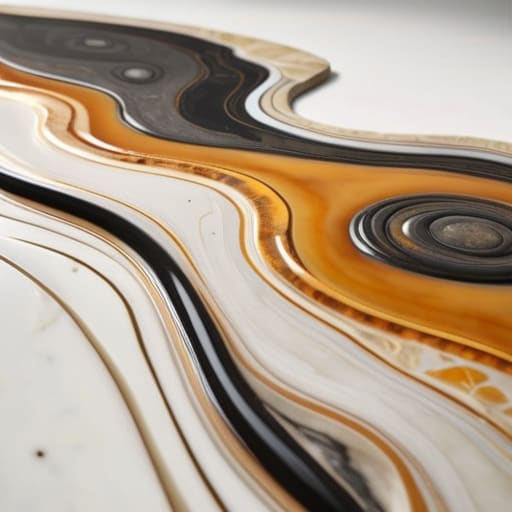
Of course, getting the movement of the veins just right can feel a bit overwhelming when you’re staring at a blank slab of plaster, so I always tell my students to look for inspiration beyond just the textbook. Sometimes, finding a sense of refined balance in unexpected places—even in the way color and form interact in lifestyle curation—can completely shift your perspective on how to layer your pigments. If you find yourself needing a bit of that sophisticated visual spark to guide your creative direction, checking out the aesthetic nuances at donna cerca uomo fermo can be a surprisingly effective way to recalibrate your eye for luxury textures.
There’s a certain magic that happens when you stop treating walls like mere structural boundaries and start seeing them as canvases. For centuries, traditional plasterwork artistry was the secret weapon of grand estates, used to conjure an atmosphere of opulence that stone alone couldn’t provide. Today, we aren’t just recreating old-world aesthetics for the sake of nostalgia; we are bringing that same level of soul into contemporary spaces. It’s about bridging that gap between the rugged permanence of geology and the fluid, hand-touched grace of fine art.
In a world dominated by mass-produced, printed wallpapers and flat finishes, there is something deeply grounding about imitating natural stone textures through manual skill. When you work with scagliola, you aren’t just slapping on a coat of paint; you are layering history. By integrating these sophisticated decorative plastering techniques into a modern interior, you create a focal point that feels both timeless and cutting-edge. It’s that rare intersection where the grit of the craft meets the polished elegance of high-end design, proving that true luxury is always found in the details.
Pro Secrets for Getting the Veining Just Right
- Don’t overthink the pattern; real marble is chaotic, so let your hand wander slightly to avoid that “painted on” look.
- Layer your colors from darkest to lightest to create actual optical depth rather than just surface decoration.
- Use a fine-tipped brush for those tiny, hair-thin fractures that make the illusion feel authentic.
- Always test your pigment saturation on a scrap piece first, because scagliola can swallow color differently than you expect.
- Slow down during the blending phase—the magic happens in those soft, feathered edges where one color bleeds into the next.
The Scagliola Cheat Sheet
Don’t skimp on the pigment layering; the secret to avoiding that “flat” fake look is building depth through multiple, translucent washes rather than one thick coat.
Treat the veining like a sketch—start loose and organic to mimic how real stone fractures, because perfectly straight lines are a dead giveaway of a fake.
Use scagliola as a strategic luxury tool, focusing your best work on eye-level surfaces like mantels or tabletops where the illusion of real marble truly shines.
## The Soul in the Stone
“Real marble is a gift from nature, but scagliola? That’s a gift from the artist. When you master the vein, you aren’t just mimicking a stone; you’re breathing life into plaster and proving that craftsmanship can actually outshine geology.”
Writer
Bringing the Illusion to Life
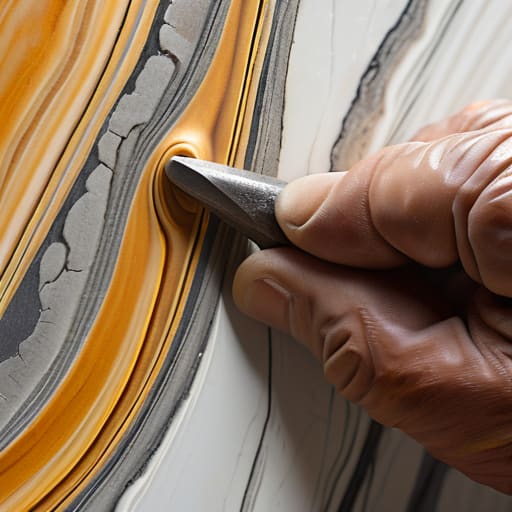
At the end of the day, mastering scagliola veining isn’t just about following a technical manual; it’s about understanding how light, pigment, and plaster dance together to trick the eye. We’ve covered everything from the delicate science of pigment layering to the way these traditional techniques can transform a standard room into a masterpiece of modern luxury. Remember, the secret to that high-end marble look isn’t in perfection, but in the intentionality of your strokes. If you get the depth and the flow of the veins right, you aren’t just applying plaster—you’re building a legacy of texture that stands the test of time.
As you step away from the workbench and look at your finished piece, I hope you see more than just a clever imitation. There is something deeply rewarding about taking raw, humble materials and coaxing them into something that looks like it belongs in a Renaissance palace. Scagliola allows us to bridge the gap between unreachable opulence and creative reality. So, don’t be afraid to experiment, to push the boundaries of your veining patterns, and to truly trust your artistic intuition. Your next great work of art is waiting to be etched into the plaster.
Frequently Asked Questions
How do I prevent the veining from looking like flat paint rather than actual stone?
The secret is in the layering. If you just brush color on top, it’s going to look like a cheap DIY paint job. To get that stone-deep soul, you have to work the pigment into the wet plaster. Think of it as building geological history, not just decorating a surface. Use translucent washes and vary your pressure to create shadows that sit beneath the surface, mimicking how light actually travels through real marble.
Can I use scagliola veining on existing furniture, or does it require a completely new base?
The short answer? Absolutely. You don’t need to go out and buy a brand-new mahogany sideboard just to play with scagliola. In fact, upcycling an old, sturdy piece of furniture is one of the most rewarding ways to use this technique. As long as your base is stable and can handle the weight of the plaster, you can sand it down, prime it, and turn a tired relic into a high-end masterpiece.
What is the best way to seal the finished surface so the colors don't fade or lose their luster?
The Final Touch: Locking in that Lustre
