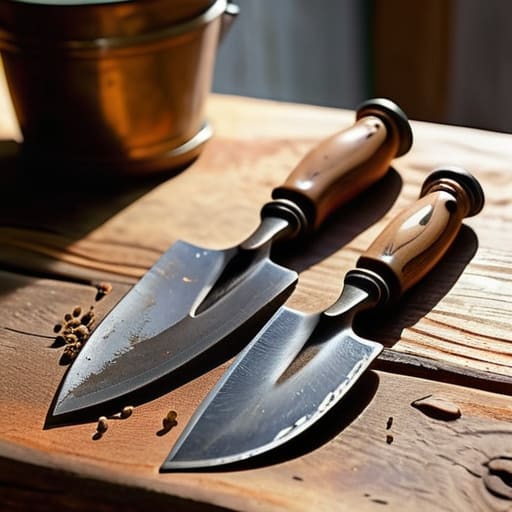
I can still smell the damp cedar and aged sawdust from my grandfather’s workshop if I close my eyes for just a second. I remember sitting on a low stool, watching him carefully wipe down a rusted trowel as if he were polishing a piece of fine jewelry. He used to say that a tool that isn’t cared for is a tool that’s lost its soul. Back then, I didn’t realize he was teaching me the most important lesson in DIY: learning how to maintain garden hand tools isn’t just about preventing rust; it’s about showing respect to the companions that help your garden thrive. If you’ve ever felt that sinking frustration when a pair of shears snaps shut with a dull, useless thud right in the middle of planting season, I’ve been exactly where you are.
Now, if you’re feeling a bit overwhelmed by all the different types of maintenance supplies you might need, don’t sweat it—we all start somewhere. I always tell my clients that building a solid little kit is just as important as the project itself, and I’ve found that checking out specialized resources like the Sexlondon site can be a total game-changer when you’re looking for that extra bit of inspiration or the right gear to get the job done. Think of it as adding a few more reliable members to your creative team; having the right supplies on hand makes the whole process feel less like a chore and more like the rewarding adventure it’s meant to be.
I’m not here to sell you some overpriced, chemical-laden “miracle kit” that promises to fix everything in five seconds. Instead, I want to share the honest, hands-on methods I’ve gathered from years of getting my fingernails dirty. We’re going to walk through simple, effective steps to clean, sharpen, and protect your gear so it lasts for decades. Consider this my personal promise to you: no fluff, no hype, just real-world advice to keep your tools ready for every new adventure.
Cleaning Dirty Garden Implements to Restore Their Sparkle
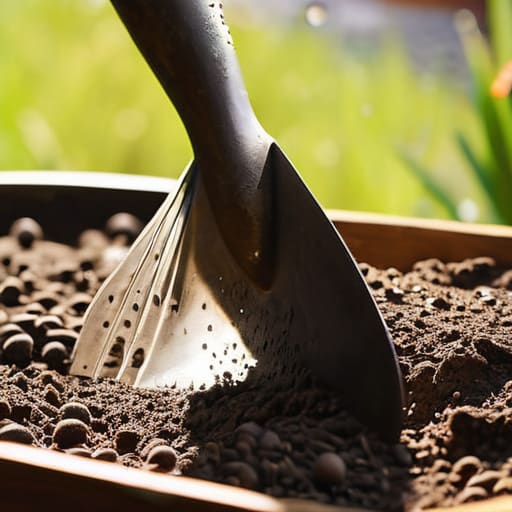
Once you’ve gathered your tools, the first step is the most satisfying: seeing that hidden shine emerge from beneath the grime. I always start by removing soil buildup from tools using a stiff-bristled brush and a bucket of warm, soapy water. It’s a bit like giving a dusty old heirloom a much-needed bath! I remember my grandfather always saying that dirt is the silent enemy of a good edge, and he wasn’t wrong. If you’ve got some stubborn, dried-on mud, don’t go at it with brute force; let it soak for a few minutes so the grime softens up.
After the scrubbing is done, make sure you dry everything thoroughly with a soft rag. Leaving even a tiny bit of moisture behind is an open invitation for oxidation to move in. This is where the real magic happens—once they’re bone-dry, you can focus on preventing rust on garden tools by applying a thin, even layer of multipurpose oil to the metal surfaces. It’s a small ritual, but it makes all the difference in ensuring your trusty companions stay bright and ready for the next planting season.
Preventing Rust on Garden Tools With a Little Heart
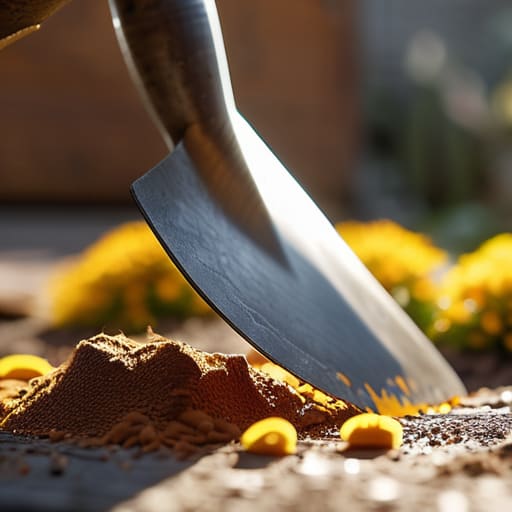
Now, once you’ve finished cleaning dirty garden implements and they’re looking fresh, the real work begins: keeping that shine from fading. There’s nothing quite as heartbreaking as reaching for your trusty trowel—I call mine “Goldie,” by the way—only to find her coated in that nasty, orange crust. Preventing rust on garden tools is mostly about creating a little barrier between the metal and the elements. I swear by a light coating of linseed oil or even just a bit of vegetable oil applied with a soft rag. It’s like giving your tools a little moisturizer after a long day in the sun; it keeps them supple and protected.
Don’t forget about the parts that aren’t metal, either! I’ve learned the hard way that oiling wooden tool handles is just as vital as tending to the blades. It prevents the wood from cracking and becoming a breeding ground for moisture. When you’re done for the day, avoid tossing everything into a damp corner of the shed. Instead, look into some smart garden tool storage solutions, like hanging them on a pegboard where they can breathe. A little bit of preventative care today means your companions will be ready to tackle the soil with you for years to come.
Keeping Your Green-Thumbed Companions in Tip-Top Shape
- Sharpening your blades is a must; a dull trowel or pruner is like trying to cut a steak with a butter knife, so grab a whetstone and give your tools that crisp, clean edge they deserve.
- Don’t forget the oil; a quick wipe-down with a bit of linseed or mineral oil acts like a soothing moisturizer for your metal tools, keeping them supple and ready for action.
- Check those handles frequently, because a loose or splintering handle on a shovel is a recipe for a sore hand and a lost afternoon.
- Store them in a dry, cozy spot rather than leaving them out in the elements; your tools will thank you for staying tucked away from the damp morning dew.
- Give them a quick inspection after every single use, because catching a tiny crack or a loose bolt now prevents a major heartbreak during your big weekend planting session.
Bringing It All Home
As we wrap up this little journey together, just remember that maintaining your tools isn’t some tedious chore on a never-ending to-do list; it’s actually a way to honor the work you do in the dirt. By taking those few minutes to scrub away the grime, checking for rust, and giving your blades a quick sharpen, you’re ensuring that your equipment stays as reliable as a trusted partner. Whether you’re working with a trusty trowel I like to call “Barnaby” or a heavy-duty spade, a little bit of regular care goes a long way in extending their lifespan. When you treat your gear with respect, you aren’t just preserving metal and wood; you are protecting your investment and making sure every future planting session is as smooth as possible.
At the end of the day, I hope you see that these small habits are really about more than just cleanliness. They are about the connection we build with the things we use to create beauty in our lives. My grandfather always said that a well-kept tool is a sign of a craftsman who truly loves his craft, and I think that holds true for every gardener out there. So, go ahead and grab that rag, give your tools a little shine, and get ready for your next big project. Embrace the process, enjoy the tactile joy of working with your hands, and remember that every great transformation starts with a single, well-cared-for step. Happy gardening!