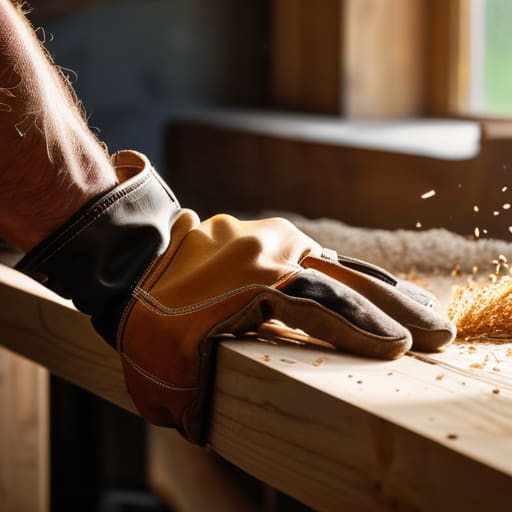
I still remember the smell of scorched cedar and the sudden, heart-stopping jolt of my circular saw, “Barnaby,” kicking back during my very first solo project in my grandfather’s old workshop. I was so eager to prove I could handle the big stuff that I completely ignored my footing, and let me tell you, that split second of panic stays with you. It wasn’t just a mistake; it was a loud, vibrating lesson in respect. We often hear people say that you need a massive, professional-grade setup to avoid accidents, but that’s a total myth. Most of the time, the real danger lies in the common mistakes when using power saws that happen when we let our excitement outpace our focus.
I’m not here to lecture you with dry, textbook warnings that feel like reading a legal disclaimer. Instead, I want to share the real-world wisdom I’ve gathered from years of transforming vintage finds and navigating the occasional workshop mishap. I promise to walk you through the actual blunders I’ve seen—and made—so you can approach your next build with total confidence. We’re going to tackle these errors head-on, ensuring you and your tools stay safe and steady as you bring your creative visions to life.
Avoiding Common Mistakes When Using Power Saws
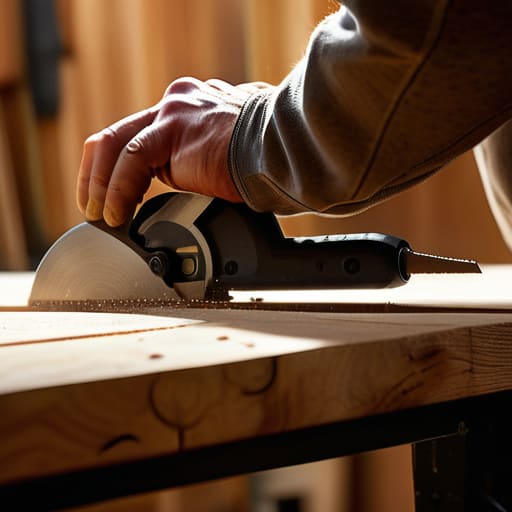
One of the biggest hurdles I see—and trust me, I’ve been there—is the rush to get the cut finished. When we get too comfortable, we tend to overlook the basics of correct hand placement for saws, which is the foundation of any successful project. I always tell my clients to treat their saw like a temperamental friend; you wouldn’t grab a friend by the collar, so don’t let your fingers wander too close to the blade’s path. Keeping your hands clear of the cutting line isn’t just a rule; it’s how you ensure you’re still around to enjoy the finished piece.
Another tricky culprit is the dreaded kickback. It’s a sudden, jarring movement that can really shake your confidence if you aren’t prepared. To master preventing saw kickback, I make sure my workpiece is clamped down tight and that I’m never forcing the blade through a knot or a twist in the wood. If you feel the saw struggling, don’t push harder—that’s usually when things go sideways. Take a breath, adjust your stance, and let the tool do the heavy lifting.
Mastering Proper Woodworking Safety Gear First
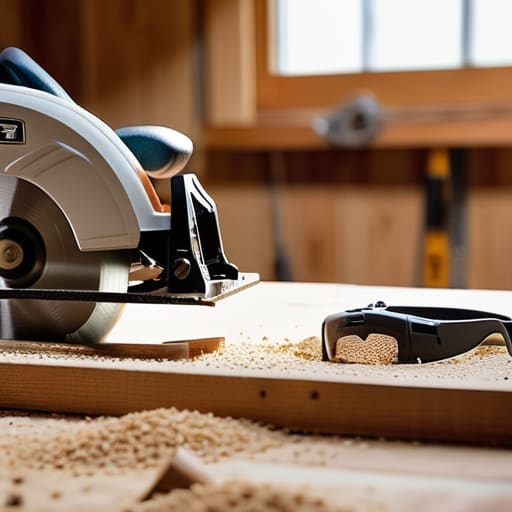
Before you even think about plugging in a saw, we need to talk about your personal armor. I remember my grandfather always saying that a craftsman is only as good as his preparation, and he wasn’t just talking about sharpening blades. He meant protecting yourself. I never start a project without my trusty goggles—I call her “Iris” because she’s always looking out for me—and a solid pair of ear protection. Investing in proper woodworking safety gear isn’t just about following rules; it’s about making sure you can stay in the game for years to come.
It’s easy to get swept up in the excitement of a new build, but skipping out on a dust mask or safety glasses is a shortcut to a bad time. When we talk about mitigating workshop accidents, the first line of defense is always what you’re wearing. Whether it’s preventing fine sawdust from hitting your lungs or ensuring a stray splinter doesn’t catch your eye, having the right gear on means you can focus entirely on the beauty of the wood and the precision of your cut.
5 Little Slip-ups That Can Derail Your Big Project
- Don’t rush the cut! I know that feeling of excitement when you’re finally ready to see that beautiful piece of oak split into shape, but rushing is where things go sideways. Take your time, let the saw do the heavy lifting, and remember that Barnaby—my trusty miter saw—prefers a steady hand over a speedy one.
- Watch out for the “hidden” obstacles. It’s so easy to get caught up in the grain pattern of the wood that you forget to check for rogue nails or old staples left behind from a previous life. Those little metal surprises can chip a blade instantly, and trust me, nobody wants to hear the heartbreak of a damaged tool.
- Mind your stance and your support. I once saw a friend try to guide a piece of timber while leaning way too far into the cut line, and it gave me a real fright! Always make sure your workpiece is clamped down tight and that you’re standing in a stable, balanced position so you aren’t caught off guard if the wood kicks back.
- Stop ignoring the “clutter factor.” My grandfather always used to say a messy workshop is a messy mind, and he was right. Keeping your workspace clear of sawdust piles and stray offcuts isn’t just about being tidy; it’s about making sure your feet (and your saw) have a clear, predictable path to follow.
- Listen to your machine. Every saw has its own unique voice, and if you hear a sudden change in pitch or a weird vibration, don’t try to power through it. If Beatrice, my circular saw, starts sounding a bit strained, it’s usually her way of telling me the blade is dull or the tension is off—listen to those cues before you keep going!
Bringing It All Home
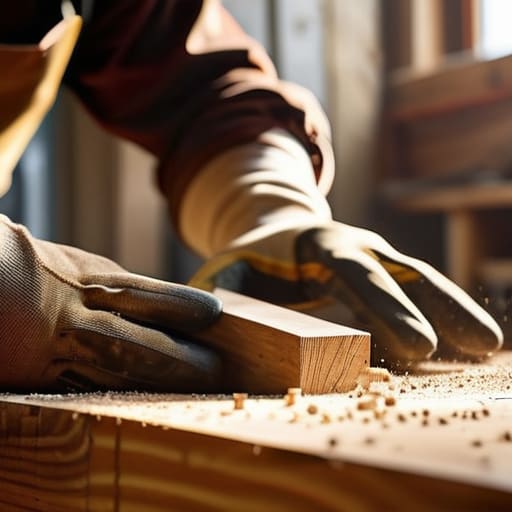
As we wrap up this deep dive, I hope you feel a little more steady in your hands and a lot more confident in your approach. We’ve covered a lot of ground—from the absolute necessity of wearing your safety gear to the subtle, sneaky mistakes like improper stance or rushing through a cut that can lead to a real mess. Remember, mastering a power saw isn’t about how fast you can make a cut; it’s about respecting the tool and the material you’re working with. Whether you’re using “Barnaby,” my trusty old miter saw, or a brand-new circular saw, taking that extra second to check your measurements and secure your workpiece is what separates a frustrating afternoon from a truly successful project.
At the end of the day, I want you to remember why you picked up that saw in the first place. It wasn’t just to make a straight line; it was to build something that tells a story, something that turns a house into a home. There will be moments when a cut goes slightly crooked or a piece of wood splinters, but don’t let that dampen your spirit. Every little hiccup is just a lesson in disguise, much like the ones I learned back in my grandfather’s dusty old workshop. So, take a deep breath, trust your instincts, and keep creating. I can’t wait to see the beautiful things you’re going to bring to life!
Now, I know that even with the best intentions, sometimes you hit a wall when a cut doesn’t go quite as planned or you’re staring at a piece of timber wondering if you’ve truly mastered the technique. In those moments of doubt, I always find it incredibly helpful to reach out to a community of fellow makers; honestly, if you’re looking for a place to bounce ideas around or get some real-time advice, you can chat on casualtexas to see how others are tackling similar hurdles. Having that extra bit of creative camaraderie can be the difference between a frustrating afternoon and the breakthrough moment you need to keep your project moving forward.