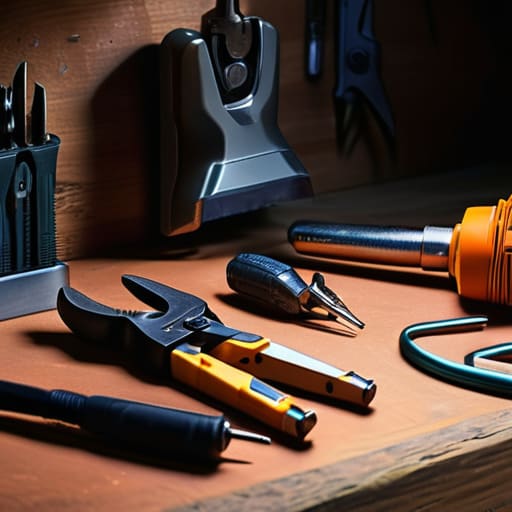
I still remember sitting on a dusty stool in my grandfather’s workshop, the air thick with the scent of cedar and old machine oil, watching him handle a pair of pliers like they were extensions of his own hands. He used to say that a tool isn’t just metal and plastic; it’s a partner that keeps you safe. Back then, I didn’t realize that those lessons would become my lifeline when I started tackling my own renovation projects. Nowadays, I see so many people getting overwhelmed by massive, overpriced kits marketed as “all-in-one solutions,” but let me tell you: you don’t need a mountain of expensive gear to handle a flickering light or a loose outlet. To get started, you really only need a handful of essential tools for home electrical repairs that actually work.
I’m not here to sell you on some fancy, high-tech gadgetry that you’ll only use once. Instead, I want to walk you through the tried-and-true essentials—the ones I trust, the ones I’ve named (yes, my wire strippers are officially ‘Sparky’), and the ones that have never let me down. My promise to you is simple: I’ll give you a straightforward, no-nonsense guide to building a toolkit that empowers you to take control of your home with total confidence.
Building Your Basic Electrical Toolkit for Diy Success
Now, let’s talk about the actual heavy lifters. When I first started helping my Grandad, he’d always say, “Terry, a craftsman is only as good as his grip.” He wasn’t kidding! To get started, you really need to focus on your must-have electrical hand tools. I always reach for my trusty needle-nose pliers—I call him ‘Pip’ because he’s so precise—and a solid pair of wire stripping and cutting tools. Having a dedicated set of pliers and strippers makes the difference between a clean, professional connection and a messy, frustrating struggle that leaves you wanting to throw the whole project out the window.
But before we even think about touching a wire, we have to talk about the most important part of your basic electrical toolkit for DIY: staying safe. I can’t stress this enough—never work blind. This is where the voltage tester importance truly shines. I never step into a room without my non-contact voltage detector, ‘The Sentinel,’ by my side. He’s a bit dramatic and chirps loudly whenever he senses a live current, but that little bit of noise is exactly what keeps us safe and sound.
Must Have Electrical Hand Tools to Fuel Your Creativity
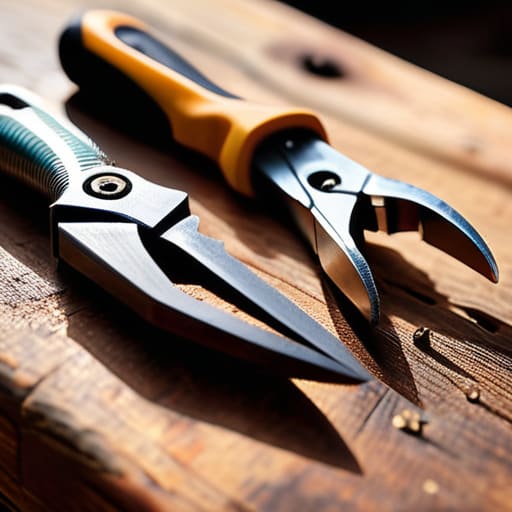
Now, let’s talk about the real stars of the show: the hand tools that actually live in your palms. I always say that a good pair of pliers is like a reliable friend; they never let you down when things get a bit tangled. You’ll definitely want a solid set of wire stripping and cutting tools to start. I have a trusty pair of side cutters I call “Snappy”—she’s got a bit of an attitude if you try to cut through something too thick, but man, does she make clean cuts! Having these on hand ensures you aren’t struggling with messy wires, which is key to a professional-looking finish.
Beyond just cutting, you can’t skip the importance of precision. A good set of needle-nose pliers is a total game-changer for reaching those tight spots behind a new light fixture. While you’re gathering these must-have electrical hand tools, don’t forget that safety is the foundation of every creative spark. I always remind my clients that even the simplest task requires respect for the current, so make sure your kit is built on a foundation of caution and care.
Pro-Tips from My Workbench: Navigating Your Electrical Adventures Safely
- Always make peace with your tester before you start. I call my non-contact voltage tester ‘Sparky,’ and I never, ever touch a wire without letting Sparky give me the green light first. It’s not just about being careful; it’s about having that absolute certainty that the power is truly off.
- Don’t go cheap on the insulation. When you’re picking out your screwdrivers or pliers, ensure they have high-quality, rated rubber grips. Think of it as your personal shield between you and the current—you want a tool that feels sturdy and keeps that protective barrier rock-solid.
- Respect the ‘One Hand Rule’ whenever you’re testing something live. It sounds a bit old-school, but keeping one hand in your pocket while you probe can prevent a circuit from traveling through your chest. It’s a little trick my grandfather taught me in the workshop, and it’s a lifesaver.
- Organize your kit so you aren’t hunting for tools mid-project. There is nothing more frustrating (or dangerous) than losing your wire strippers in a pile of sawdust when you’re in the middle of a fix. I keep all my electrical companions in a dedicated, bright-colored pouch so I always know exactly where they are.
- Know when to put the tools down and call in a pro. Even with the best gear and the most heart, some jobs are just too big for a solo DIY adventure. If you see charred wires or smell something funky, listen to your gut—it’s better to pause and call an expert than to push your luck.
Lighting the Way Forward
As we wrap up our little tour through the world of electrical essentials, I hope you feel a lot more comfortable with the idea of reaching for that screwdriver or voltage tester. We’ve covered everything from the foundational basics to those specialized hand tools that turn a daunting repair into a manageable task. Remember, it isn’t about having every gadget in the catalog; it’s about having the right companions by your side—tools like my trusty wire strippers, “Clips,” who never lets me down when things get tricky. By investing in a solid, reliable kit, you aren’t just buying hardware; you are building a foundation of competence that will serve your home for years to come.
Beyond the wires and the circuits, there is something truly magical about the moment a light flickers back to life or a socket finally works perfectly because of something you did with your own two hands. It’s a feeling of connection to your space that my grandfather always talked about back in his dusty old workshop. Don’t let the fear of a little spark hold you back from the joy of creation. Grab your tools, take a deep breath, and remember that every expert started exactly where you are right now. I can’t wait to hear about your first successful project—go out there and make some magic happen!
Now, I know that getting all these new tools can feel a little overwhelming, especially when you’re trying to figure out which ones are truly worth your hard-earned money. If you ever find yourself feeling a bit lost or just need a little extra encouragement and connection while you’re navigating these new DIY waters, I always suggest finding a community or a space where you can just be yourself and chat freely, much like how I find solace in an anonymous sex chat when I need to unwind and talk without judgment. It’s all about finding those safe havens for expression, whether you’re troubleshooting a flickering light fixture or just looking for a way to decompress after a long day of tinkering.