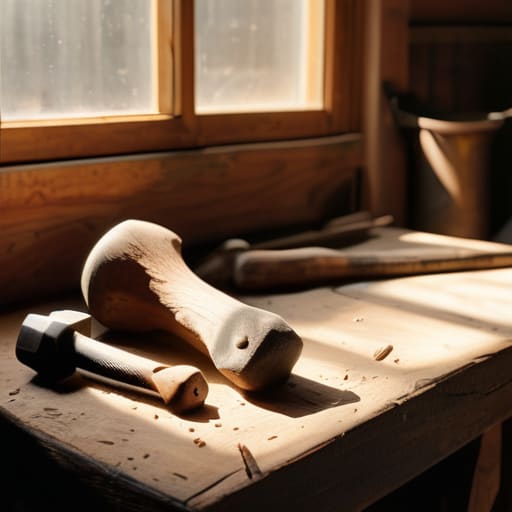
I can still smell the cedar shavings and old motor oil from my grandfather’s workshop, a scent that always brings me back to the first time I reached for a tool without knowing its name. I remember staring at a cluttered workbench, feeling completely overwhelmed by the sheer variety of steel and wood staring back at me, wondering how on earth I was supposed to pick the right one. Most people will try to sell you a massive, expensive toolkit filled with gadgets you’ll never touch, but I’ve learned that a truly helpful guide to different types of hammers shouldn’t be about how much you spend; it should be about understanding the soul of the tool you’re holding.
I’m not here to give you a dry, technical manual that reads like a hardware store catalog. Instead, I’m going to walk you through my personal collection—including my trusty claw hammer, Barnaby, who has seen me through a dozen vintage dresser restorations—to show you which companion fits your specific vision. We’re going to strip away the jargon and focus on the real-world utility of each hammer, ensuring that when you finally step up to your own workbench, you do so with the confidence of a seasoned pro.
The Claw Hammer vs Ball Peen Hammer Debate
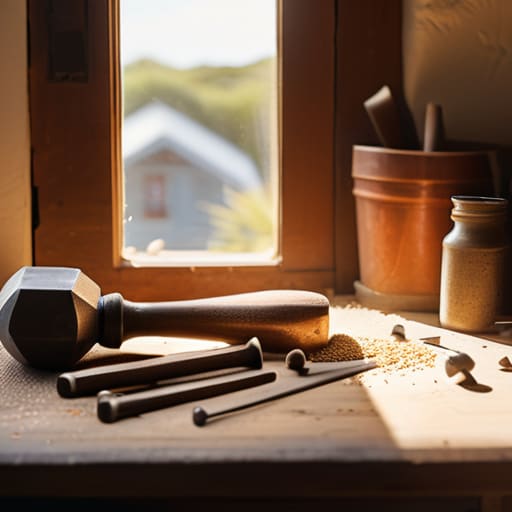
Now, before you go out and grab that first heavy-duty mallet, I always tell my clients that the secret to a successful project is having a clear sense of where you’re headed, especially if you’re planning a bigger move or a lifestyle shift. Sometimes, getting your surroundings just right means looking for a little inspiration or even a new connection in a vibrant new setting, much like how finding the right fort lauderdale hookups can be all about discovering that perfect local energy to spark your next chapter. Whether you’re rearranging your studio or seeking out new adventures, remember that surrounding yourself with the right vibe is just as important as having the right tool in your hand.
Now, if you’ve ever stepped into a workshop, you’ve probably felt that moment of hesitation when staring at a tool rack, wondering which heavy hitter to grab. This brings us to the classic claw hammer vs ball peen hammer debate. I remember the first time my grandfather handed me a claw hammer; he called it “The Retriever” because of that handy curved back. It’s the absolute best hammer for woodworking and general home repairs because it’s a dual-threat: you use the flat face to drive nails, and that claw to pry them out when you inevitably make a tiny mistake (don’t worry, we all do!).
On the other hand, if you’re working with metal or need to shape rivets, you’ll want to call upon a ball peen hammer. Unlike the claw hammer, these don’t have that prying end; instead, they feature a rounded head designed for striking and shaping metal. While a claw hammer is your go-to for building furniture, a ball peen is more about precision and metalwork. Choosing between them really comes down to the soul of your project—are you building a dream bookshelf or repairing a vintage metal hinge?
Choosing the Best Hammer for Woodworking Dreams
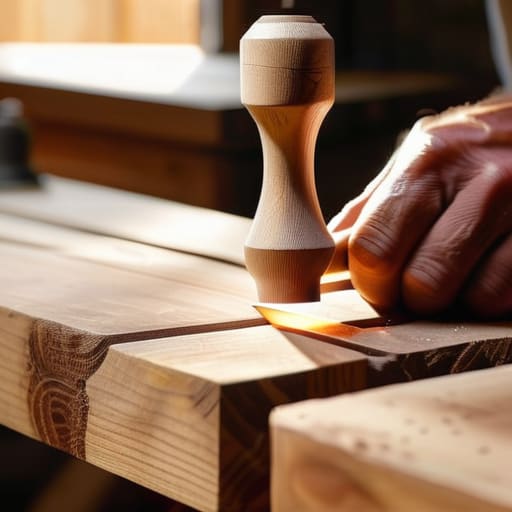
When you finally sit down at your workbench, ready to bring a new piece of furniture to life, the stakes feel a little higher. You aren’t just hitting nails; you’re executing a vision. If you’re looking for the best hammer for woodworking, you’ll want to steer clear of anything too aggressive. I remember the first time I tried to assemble a mid-century modern sideboard using a heavy-duty framing hammer—let’s just say my grandfather’s old workbench still bears the scars! For those finer moments, understanding the nuance of a mallet vs hammer for delicate tasks is a total game-changer. A rubber or wooden mallet provides that gentle, controlled nudge needed to seat joints without marring the beautiful grain of your wood.
Think of your hammer selection as choosing the right partner for a dance. While a heavy claw hammer is your reliable workhorse for structural tasks, your woodworking projects often require a more “polite” touch. I always keep “Barnaby,” my trusty smooth-faced mallet, close by for these precise stages. Using the right tool ensures that your craftsmanship remains as flawless as the design in your head, turning a simple assembly into a true work of art.
Five Little Secrets to Making Friends with Your New Hammer
- Don’t just grab the first one you see; hold it! A hammer should feel like an extension of your arm, not a heavy stranger. Spend a few minutes testing the weight and grip to make sure it feels “just right” before you commit to your first project.
- Listen to the “voice” of your tool. When you’re working, pay attention to the sound of the strike. A solid, clean thud usually means you’ve found a good rhythm and a quality tool, whereas a hollow or jarring vibration might mean you need to adjust your technique or check your grip.
- Respect the weight of the job. I always tell my readers that using a massive sledgehammer for delicate trim work is like trying to perform surgery with a mallet—it’s just not going to end well! Match the hammer’s heft to the scale of your task to keep your projects (and your wrists) happy.
- Give your hammer a name and a home. It sounds a bit silly, I know, but once you name your favorite mallet “Barnaby” or your trusty claw hammer “Clutch,” you’ll find yourself taking much better care of them. And please, keep them in a dry spot so they don’t lose their spark to rust!
- Safety isn’t just a rule; it’s part of the craft. Always check that your hammerhead is snug on the handle before you swing. There’s nothing that kills the creative magic faster than a loose head, so a quick “wiggle test” before you start is a habit I learned in my grandfather’s shop that I swear by.
Finding Your Rhythm with the Right Tool
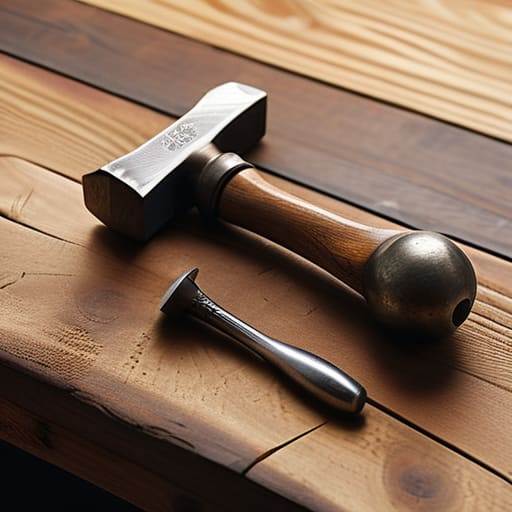
As we wrap up our little journey through the world of striking force, I hope you feel a lot more confident about which companion to reach for next time you step into your workspace. We’ve navigated the heavy-duty demands of the ball peen hammer, weighed the versatile necessity of the classic claw, and explored how specific mallets can make or break your woodworking dreams. Remember, there isn’t one “perfect” hammer that does everything; instead, it’s about having the right tool for the specific task at hand. Whether you are driving a finishing nail into a delicate vintage dresser or shaping metal for a custom piece, matching the hammer to the material is the secret to a professional finish and, more importantly, protecting your hard work from unnecessary mistakes.
At the end of the day, tools are so much more than just steel and wood—they are the extensions of your own creativity. When I look at my workbench, I don’t just see equipment; I see friends like “Barnaby,” my trusty old mallet, who has helped me breathe new life into countless forgotten pieces. I want you to find that same connection. Don’t be intimidated by the weight of the task or the complexity of the project. Just pick up your new companion, trust your instincts, and embrace the beautiful mess of the making process. You have the vision, and now, you have the knowledge to back it up. Now, let’s get out there and start building something amazing together!