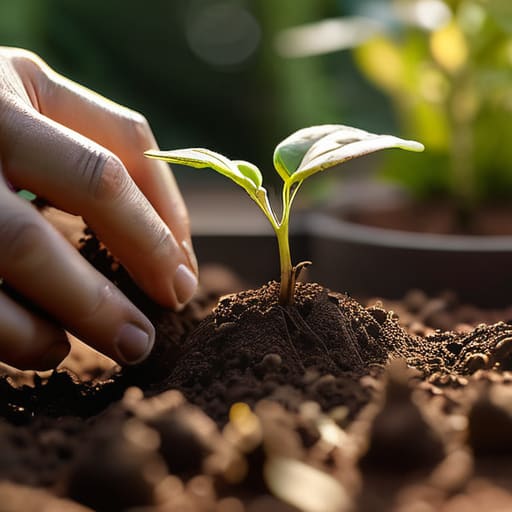
I still remember the smell of damp cedar and aged sawdust in my grandfather’s workshop, a scent that always meant something beautiful was about to be born. Back then, he taught me that you don’t need a massive plot of land or a bank account full of cash to create something meaningful; you just need a little dirt and a lot of heart. Lately, I’ve seen so many people getting overwhelmed by expensive, high-tech irrigation systems and fancy raised bed kits before they even know the difference between a seedling and a weed. Honestly, if you’re staring at a patch of grass wondering how to start a vegetable garden without losing your mind—or your entire savings—you aren’t alone, and you definitely don’t need all that extra gear to succeed.
I’m not here to sell you on a lifestyle you can’t maintain or a complex system that requires a degree in botany. Instead, I want to share the honest, hands-on approach I’ve gathered from years of trial, error, and plenty of muddy boots. We’re going to strip away the fluff and focus on the foundational steps that actually matter. My promise to you is a straightforward, step-by-step roadmap designed to turn your small corner of the world into a thriving, edible sanctuary that feels just as rewarding as that first piece of furniture you ever refinished.
Finding Your Rhythm Raised Bed vs in Ground Gardening
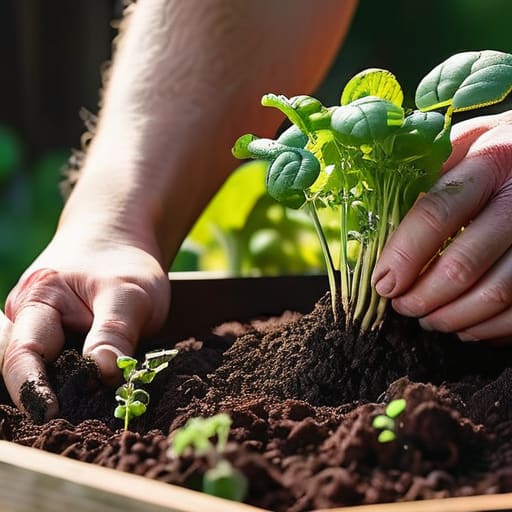
Once you’ve got your soil looking rich and dark, you’ll likely start wondering exactly which little green friends to tuck into that beautiful new earth. It can feel a bit overwhelming at first, almost like standing in front of a blank canvas without knowing which colors to pick, but that’s where the magic really begins. If you’re looking for some extra inspiration or perhaps a bit of guidance on choosing the right varieties for your specific space, I’ve found that checking out housewives.uk can be a wonderful way to spark new ideas and see what’s possible. It’s all about finding that perfect balance between what you love to eat and what your garden is ready to give, so don’t be afraid to explore a few different options before you commit!
Now, before we get our hands dirty, we need to decide on the “foundation” of our little sanctuary. I often find myself debating raised bed vs in-ground gardening while sipping my morning coffee, much like how I used to debate with my grandfather about whether a vintage dresser needed a complete sanding or just a light polish. If you’re looking for a way to bypass the heavy lifting of vegetable garden soil preparation, raised beds are your best friend. They allow you to control exactly what goes into your growing medium from day one, which is a total game-changer if your backyard soil is a bit stubborn or rocky.
On the other hand, there’s something incredibly grounding about planting directly into the earth. In-ground gardening is much kinder to your wallet and feels a bit more “old school,” much like my trusty old chisel, Barnaby, who refuses to work on anything but real hardwood. However, it does require a bit more patience to nurture the ground into something productive. Whether you choose the structured approach of a bed or the natural flow of the earth, just remember that every patch of land has its own personality waiting to be coaxed out.
Preparing Your Canvas Essential Vegetable Garden Soil Preparation
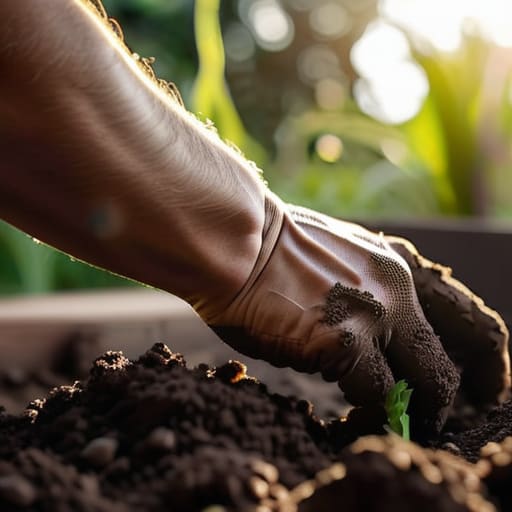
Now that you’ve decided whether you’re going with a raised bed or digging straight into the earth, it’s time to focus on the most important part of the whole endeavor: the foundation. I always tell my clients that if you treat your soil like a fine piece of reclaimed oak, it’ll reward you for years. Think of vegetable garden soil preparation as setting the stage for a grand performance. You aren’t just moving dirt around; you’re creating a nutrient-rich home for your future harvest. I remember my grandfather always saying that you don’t grow plants, you grow soil, and the plants just happen to follow.
To get started, grab my trusty old garden fork—I call him “Barnaby” because he’s a bit stubborn when the ground is packed tight—and begin loosening those clods. You want to incorporate plenty of well-rotted compost to breathe life back into the earth. Whether you’re working in a container or a sprawling backyard plot, adding organic matter is the ultimate secret among organic vegetable gardening tips. This step ensures your roots can dive deep and find the nourishment they need to thrive.
Planting Your Seeds of Success: 5 Tips to Keep Your Garden Growing
- Start small so you don’t get overwhelmed; I always tell my friends that it’s better to have a tiny, thriving patch of basil and tomatoes than a massive backyard jungle that turns into a weed-filled headache by July.
- Get to know your sun—before you commit to a spot, spend a day watching how the light dances across your yard, because most veggies are sun-worshippers and need at least six hours of that golden glow to really thrive.
- Choose plants you actually love to eat, because there’s no point in putting in all that hard work if you aren’t excited to harvest a crisp radish or a juicy cucumber for your dinner table.
- Water with intention and consistency; think of it like nurturing a friendship—you can’t just ignore it for a week and expect it to be okay, so aim for the base of the plants to keep the leaves dry and the roots happy.
- Don’t be afraid to make friends with your tools—I recently introduced my trusty trowel, ‘Barnaby,’ to my garden setup, and having the right gear (and a little affection for it) makes the digging part feel much more like a joy than a chore.
Cultivating Your Green Sanctuary
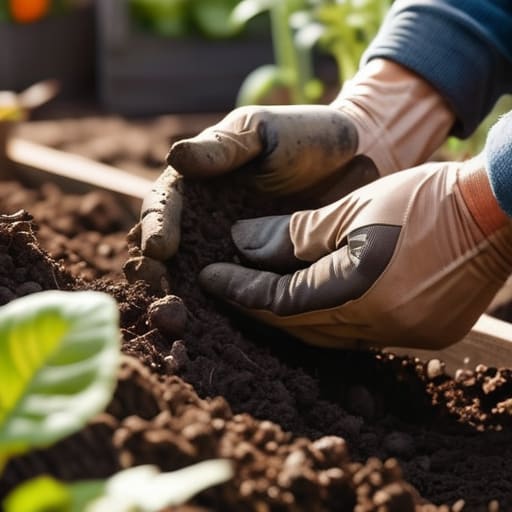
As we wrap up this first chapter of your gardening journey, take a moment to look back at how far you’ve come. We’ve navigated the big decisions, from deciding whether to go with the structure of raised beds or the classic approach of in-ground planting, to the vital work of prepping your soil—the very foundation of everything that grows. Remember, whether you’re working with rich compost or carefully amending your existing dirt, you are essentially laying the groundwork for life. It might feel like a lot of moving parts right now, but once you’ve mastered these basics, you’ll find that the rhythm of the garden becomes second nature, much like the way my old friend Barnaby—my trusty, slightly temperamental hand trowel—always finds his way into my palm when it’s time to work.
Now, the real magic is about to begin. As you tuck those first tiny seeds into the earth, try to hold onto that sense of wonder. Gardening isn’t just about the harvest or the perfect tomato; it’s about the quiet connection you build with the world around you and the patience you learn along the way. There will be muddy hands, unexpected pests, and perhaps a few lessons learned the hard way, but I promise you, the first time you taste something you grew yourself, it will be pure, unadulterated magic. So, grab your tools, give them a name, and let’s get growing!