
I once thought knocking down a few walls would transform my cramped little abode into a sprawling sanctuary of light and air. Boy, was I wrong. Instead, I ended up with a space where the echoes of my own footsteps made it sound like I was living in a hollow tin can. And my cooking—let’s just say my attempts at gourmet dinners were more like public fumigations. The smell of burnt toast lingered for days, an unwelcome reminder of my culinary misadventures on full display for anyone who dared to visit. So, yeah, open floor plans can be a mixed bag.
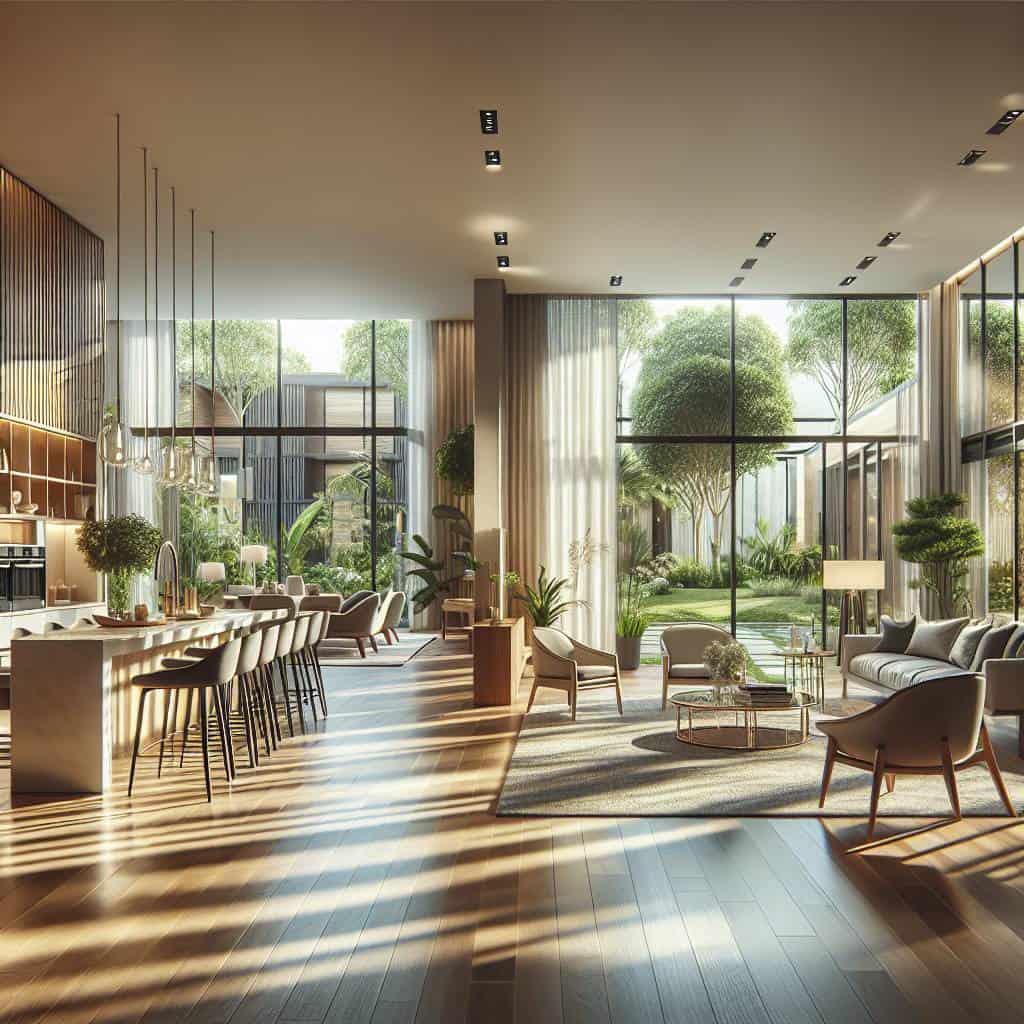
But here’s the thing—open floor plans aren’t just about aesthetics or the illusion of space. They’re a lifestyle choice, and like any choice, they come with their own set of gears and cogs that need careful adjustment. In this article, I’m going to strip away the glossy magazine veneer and dig into the nuts and bolts of this design concept. We’ll explore everything from the allure of seamless living to the potential pitfalls, like privacy issues and resale value. So grab your toolbox, because we’re about to dismantle the open floor plan and find out if it’s really the right fit for your life.
Table of Contents
Why My Open Floor Plan Felt Like Living in a Fishbowl: The Design Concept Dilemma
Ever felt like you’re living in a goldfish bowl? That was me with my open floor plan. Sure, it looked slick at first—just like those shiny cars on a showroom floor. But once I settled in, things got a bit too exposed for my liking. Every clatter in the kitchen echoed through the whole house, and forget about having a private conversation. It was like trying to whisper secrets in a megaphone. The open concept, with all its airy promises, left me craving a corner to hide in—somewhere to escape the constant eyes of the living room and kitchen.
The charm of an open floor plan is all about breaking down walls, literally and figuratively. But when you strip things down to their bare bones, you start missing those walls. I found myself longing for a cozy nook, a spot where I could let the world turn without feeling like I was on a stage. It’s a design that suits those who thrive on openness and transparency, but for me, it was a reminder of how much I value a little privacy. The challenge was real—balancing the idea of open living with the reality of needing some boundaries. And when it comes to resale value, not everyone is looking to live in a glass house. Some folks, like me, want a place that feels like a sanctuary, not an aquarium.
The Open Secret of Floor Plans
Open floor plans promise the freedom of space but often trap you in a fishbowl of noise and clutter. It’s a lifestyle choice—one that trades cozy corners for wide-open vistas, and privacy for perception.
Closing the Door on Open Spaces
Living with an open floor plan feels a bit like driving an old pickup down a bumpy road. Sure, the view is wide open, but every bump and jolt is felt with full force. It’s a space where life spills over, like oil from an overfilled engine—sometimes messy, sometimes exhilarating. You learn to appreciate the moments when everything runs smoothly, but you also become acutely aware of when things get out of sync. The concept promises freedom, but it also demands a certain surrender, a willingness to embrace the chaos of unfiltered living.
In the end, it’s all about the trade-offs. Like choosing between a classic car that needs constant tinkering and a new model that simply gets you from A to B, open floor plans offer a lifestyle choice as much as they do a design one. You weigh the value of feeling connected against the need for a bit of privacy, and you decide if the benefits outweigh the quirks. So, while I might daydream about the walls I could put up and the rooms I could claim as my own, I know that, for now, I’m along for the ride, navigating the open road with all its unpredictable twists and turns.
