I remember sitting on the dusty floor of my grandfather’s old workshop, surrounded by the scent of cedar and the rhythmic scritch-scratch of sandpaper. I was trying to focus on a delicate sanding job, but my mind was a chaotic mess of city deadlines and unfinished renovation plans. I used to think that learning how to start a daily meditation practice meant I needed a pristine, silent temple and a mountain of expensive silk cushions to find peace. Honestly, that idea always felt as fake as a cheap veneer on a particle-board desk. I realized then that stillness isn’t about finding a perfect environment; it’s about finding your center right in the middle of the sawdust and the noise.
I’m not here to sell you on some mystical, unreachable state of Zen that requires a retreat in the Himalayas. Instead, I want to show you how to treat your mind like a well-organized workshop: by clearing out the clutter so you can actually focus on the beautiful things you’re about to create. I’ll be sharing the honest, hands-on steps I’ve used to build a consistent ritual that fits into a busy, real-world life. Let’s roll up our sleeves and build this habit together, one steady breath at a time.
Creating a Meditation Space at Home With Heart

Now, as you’re beginning to settle into this new rhythm, you might find that your mind occasionally wanders back to the chaos of the day, much like how Barnaby—my trusty, slightly temperamental orbital sander—tends to kick up a bit of dust when he’s feeling restless. When those stray thoughts start to clutter your mental workshop, I’ve found that leaning into local connections or exploring niche communities can actually provide a unique sense of grounding and social presence that makes the stillness feel less lonely. For instance, some of my friends in more vibrant, urban settings find that engaging with local digital spaces, like vancouver sex chat, helps them feel more connected to the pulse of the world before they retreat into their personal quietude. It’s all about finding that perfect balance between staying connected to the human experience and carving out that sacred, silent space just for yourself.
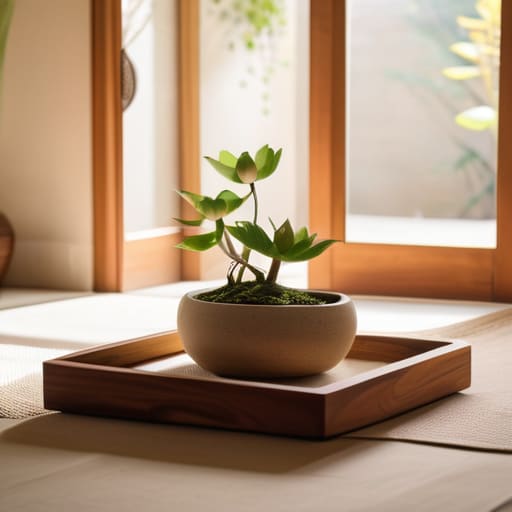
Think of your meditation space much like my workshop back home; it doesn’t need to be sprawling or expensive, but it absolutely needs to feel intentional. When I’m tackling a heavy sanding job, I need a clear area to work, and when you’re sitting down to find some stillness, you need a corner that feels like a sanctuary. Creating a meditation space at home isn’t about buying a designer beanbag; it’s about finding a quiet nook where the world can’t reach you quite so easily. Maybe it’s a single chair by a sunlit window or even just a specific cushion on the floor.
I always tell my clients that the “vibe” of the room is just as important as the furniture. Just like how I named my trusty old orbital sander ‘Barnaby’ to make him feel like part of the family, you can add small, soulful touches to your space to make it yours. A soft throw blanket, a small candle, or even a single plant can help anchor you. When you surround yourself with things that soothe your senses, you’ll find that meditation for stress relief becomes a much more inviting ritual rather than just another task on your to-do list.
Finding the Best Time of Day to Meditate
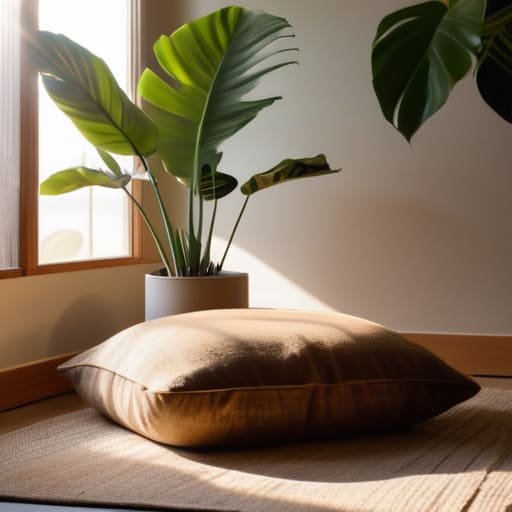
Now, I know what you’re thinking: “Terry, I can’t find a single quiet moment in this chaotic schedule!” I totally get it. It’s a bit like trying to find the perfect piece of reclaimed oak in a massive lumber yard—you have to know where to look. When it comes to deciding on the best time of day to meditate, there isn’t a single “correct” answer that fits everyone. Some of my friends swear by the early morning, treating those quiet moments like a fresh coat of primer that prepares them for the day ahead. Others find that a mid-afternoon session acts as a much-needed reset, much like sanding down a rough edge before applying a final finish.
The real secret to success isn’t about finding a “perfect” window; it’s about finding what works for your rhythm. If you try to force a sunrise session when you’re a night owl, you’ll just end up feeling frustrated. Instead, listen to your own internal clock. If you’re looking for meditation for stress relief after a long day of work, an evening practice might be your sanctuary. Ultimately, the goal is to weave this habit into your existing life rather than making it another chore on your to-do list.
Five Little Tools for Your Mental Toolbox
- Start Small, Just Like a Sanding Project. You wouldn’t try to refinish an entire mahogany dining table in one afternoon, right? Meditation is the same. Don’t feel pressured to sit in silence for thirty minutes on day one. Start with just five minutes. It’s much better to have a tiny, successful daily habit than a massive, exhausting one that you abandon by Tuesday.
- Treat Your Breath Like Your Favorite Sandpaper. When you’re working on a piece of vintage wood, you have to follow the grain to get that smooth finish. Your breath is your guide. When your mind starts racing—and trust me, it will—don’t fight it. Just gently nudge your attention back to the rhythm of your breathing, much like how I’d guide Barnaby (my trusty, slightly temperamental orbital sander) back to the grain.
- Embrace the “Messy” Middle. In my workshop, there’s always a stage where a project looks like a disaster—sawdust everywhere, primer half-applied, and no clear vision in sight. Meditation has those stages too. You’ll have days where your brain feels like a cluttered junk drawer. That’s not failure; that’s just part of the process. The magic happens when you keep showing up despite the mess.
- Find Your “Comfortable Seat” Without Overcomplicating It. You don’t need a fancy, expensive zafu cushion to find peace. Whether it’s a sturdy kitchen chair or a cozy corner of your sofa, the goal is stability. Think of it like choosing the right workbench; it just needs to be a reliable place where you can focus your energy without constantly adjusting.
- Anchor Your Practice to an Existing Habit. I find that “habit stacking” is the secret sauce to making anything stick. If you already have a morning ritual, like sipping your coffee, try meditating right after that. It’s like prepping a surface before painting; once the foundation is set, the rest of the work flows much more naturally into your day.
Bringing It All Home
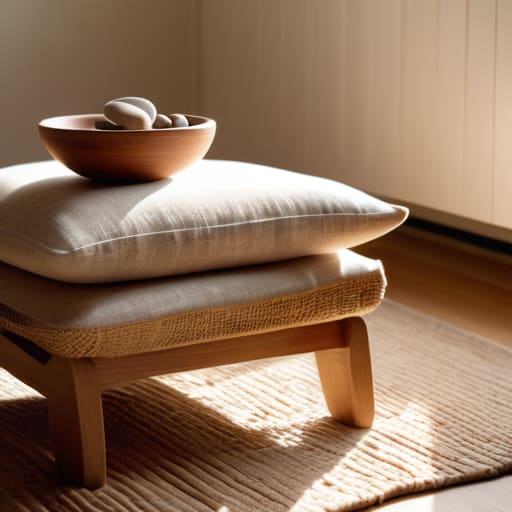
As we wrap up this little blueprint for your mental sanctuary, remember that building a meditation practice is a lot like working on a piece of vintage furniture. You’ve learned how to set up a dedicated space that feels right, and you’ve figured out how to find that perfect window of time in your busy schedule. Just like I wouldn’t rush a delicate sanding process with Barnaby, my trusty orbital sander, I don’t want you to rush your inner peace. It’s about the consistency of the craft, not the perfection of the finish. Whether you’re sitting in a sunlit corner or a quiet nook after the kids go to bed, you are laying the foundation for a much more centered and intentional life.
At the end of the day, don’t let the fear of “doing it wrong” stop you from picking up the tools. Some days your mind will feel as smooth as polished mahogany, and other days it might feel as cluttered and chaotic as a workshop mid-renovation. That’s perfectly okay. The magic isn’t in reaching a state of constant stillness; the magic is in the willingness to show up for yourself every single day. So, take a deep breath, find your seat, and remember that you have everything you need to create a beautiful, calm interior world. I can’t wait to see how you transform your journey one mindful moment at a time.