I still remember the first time I stood knee-deep in a puddle under my kitchen sink, feeling completely defeated by a leaky U-bend. The smell of damp wood and old metal was overwhelming, and my heart was racing as I realized I didn’t have a single thing in my toolkit that actually fit the job. It’s a common misconception that you need a professional-grade, industrial-sized chest of equipment to handle a simple drip, but honestly, that’s just a way to drain your wallet. You don’t need a warehouse of gadgets; you just need a few essential tools for basic plumbing tasks that are actually reliable and easy to handle.
In this guide, I’m stripping away the jargon and the unnecessary high-priced kits to give you the real deal. I’m going to walk you through the specific, tried-and-true implements I rely on—including my trusty adjustable wrench, “Barnaby,” who has never let me down in a tight spot—to ensure you can tackle those minor household hiccups with total confidence. My promise to you is simple: no fluff, no expensive hype, just the practical, hands-on advice you need to turn a potential disaster into a quick, satisfying win.
Building Your Beginner Plumbing Toolkit Essentials
Now, I know that staring at a leaky faucet or a stubborn pipe can feel a little overwhelming when you’re just starting out, and honestly, even I get those “what am I doing?” moments sometimes. When I’m feeling a bit stuck or just need to bounce some ideas off someone who really gets the creative spark, I love finding spaces where I can just connect and chat. If you ever find yourself needing a little extra social inspiration or just a place to unwind after a long day of tinkering, checking out some phoenix chat rooms can be a wonderful way to find community and keep that DIY spirit alive. It’s all about finding those little pockets of connection that keep us motivated to keep building and creating!
Now, before we start turning wrenches, we need to gather our crew. Building your beginner plumbing toolkit essentials isn’t about buying every shiny gadget at the hardware store; it’s about selecting a few reliable companions that won’t let you down when a faucet starts acting up. I always say, you wouldn’t go on a road trip without a spare tire, so don’t head into a repair without the right gear.
First on my list is a sturdy pair of tongue-and-groove pliers—I call mine “Barnaby,” and he’s been my go-to for gripping stubborn pipes for years. Alongside Barnaby, you’ll definitely want a reliable adjustable wrench. These are the absolute must-have tools for home repairs that provide the leverage you need without stripping your delicate fixtures.
Lastly, don’t forget a bit of plumber’s tape and a high-quality basin wrench. While they might seem small, having this plumbing tool kit for homeowners ready to go means you can tackle those pesky leaks before they turn into a backyard swimming pool. Think of these as your first step toward total home confidence!
Must Have Tools for Home Repairs Youll Love
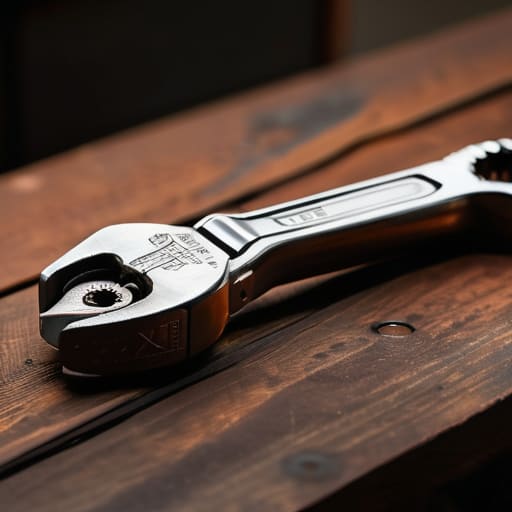
Now, let’s get into the heart of the matter. While the basics get you started, there are a few specific heavy hitters that I consider the true backbone of any plumbing tool kit for homeowners. First up is my trusty adjustable wrench, whom I’ve affectionately named “Barnaby.” Barnaby is a bit of a perfectionist; he grips onto nuts and bolts with a steady hand that never lets you down, making him indispensable for tightening those leaky connections under the sink. Having a reliable wrench means you won’t be left scrambling when a pipe decides to act up in the middle of a Tuesday night.
Next on my DIY plumbing tool checklist is the classic plunger—not just the kind you use for emergencies, but a high-quality cup plunger for sinks. I like to think of it as the “unstoppable force” of the toolkit. When paired with a decent pair of tongue-and-groove pliers, you’ll find that most minor clogs or loose fittings become much less intimidating. These aren’t just pieces of metal and rubber; they are the keys to your independence when it comes to maintaining a happy, flowing home.
Pro-Tips from My Workshop: How to Work Smarter, Not Harder
- Treat your tools with respect, and they’ll treat you right. I always tell my readers that a clean tool is a happy tool; after a messy job under the sink, take a moment to wipe down your wrenches. It prevents rust and ensures they’re ready to go the next time a pipe decides to act up.
- Don’t be afraid to ask for a little extra muscle. Sometimes, a joint is just stubborn, and you might need a second set of hands or a bit of leverage. Just like my old buddy “Barnaby” (my heavy-duty pipe wrench), knowing when to apply steady, controlled pressure is much better than forcing it and risking a cracked pipe.
- Always keep a “safety first” stash nearby. Before you even touch a wrench, make sure you have a bucket and some old towels within arm’s reach. Trust me, even the best-laid plans can lead to a little unexpected splashing, and having a way to catch drips immediately saves a massive headache later.
- Learn the “feel” of the connection. This is something my grandfather taught me that you just can’t get from a manual. When you’re tightening a nut, don’t just crank it until it stops. You want to find that sweet spot where it’s snug and secure without over-tightening, which can actually damage the seals.
- Invest in quality over quantity. It’s tempting to grab a massive, cheap kit from a big-box store, but I’d much rather have three high-quality, reliable tools than twenty that might fail you mid-repair. A good tool is an investment in your own peace of mind, and it’ll last you through years of DIY adventures.
Your Journey From Leaks to Legacy
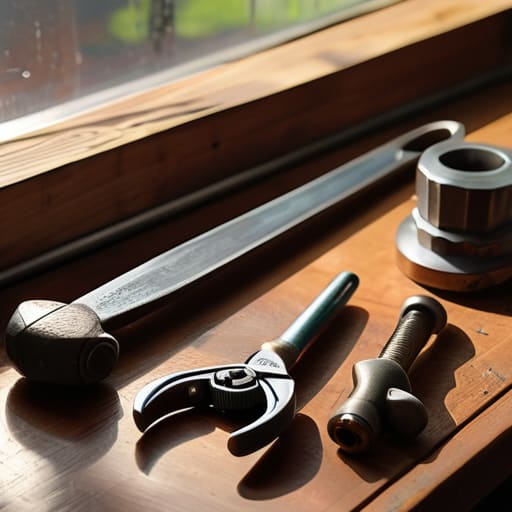
As we wrap up our little tour of the plumbing toolkit, I hope you feel a bit more prepared to face those unexpected drips and clogs. We’ve covered everything from the heavy-lifting wrenches to those tiny, essential pliers that act like the surgical precision of your toolkit. Remember, you don’t need a professional-grade warehouse to get started; you just need a handful of reliable companions—like my trusty adjustable wrench, Barnaby, who has never let me down during a midnight pipe emergency. By gathering these essentials, you aren’t just buying hardware; you are investing in your own independence and the long-term health of your beautiful home.
At the end of the day, a plumbing mishap isn’t a disaster waiting to happen—it’s actually an invitation. It’s an invitation to slow down, learn a new skill, and experience that incredible rush of pride when you tighten that last bolt and hear the silence of a job well done. My grandfather always used to say that a house is a living thing, and by tending to its veins and arteries, you are truly making it your own. So, don’t be intimidated by a little water under the sink. Grab your tools, embrace the learning curve, and remember that every great craftsman started exactly where you are right now. You’ve got this!