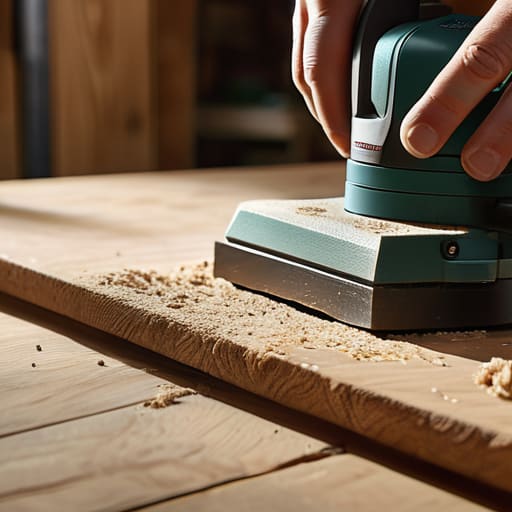
I still remember sitting on a sawdust-covered stool in my grandfather’s workshop, watching him meticulously smooth out a piece of reclaimed oak. Back then, the rhythm of his hand-sanding was almost meditative, a slow dance between wood and grain. But as I moved into my professional design years and tackled bigger urban renovations, I realized that the “right” way to smooth a surface isn’t always the most traditional one. I’ve stood in many a dusty hallway, staring at a piece of furniture and feeling that familiar tug-of-war: do I go for the soulful control of a hand block, or do I plug in a high-powered machine? Choosing between manual and electric sanders can feel like a heavy decision when you’re standing in the middle of a project, fearing you might either strip the wood too thin or spend entire days just trying to get a flat surface.
Don’t worry, though; I’m not here to give you a dry lecture on technical specifications or gear you’ll never use. Instead, I want to share the honest, hard-earned lessons I’ve gathered from years of both professional renovations and weekend hobbyist mishaps. I’ll walk you through the real-world trade-offs of speed versus precision, helping you decide which tool—whether it’s a trusty hand sander or a buzzing electric one—will best serve your specific vision. We’re going to find your rhythm together, ensuring you walk away with the confidence to create something beautiful without the unnecessary frustration.
The Soulful Touch of Manual Sanding
Now, I know that once you’ve picked your sanding method, the next hurdle is often figuring out how to actually manage your time and stay motivated when a project feels like it’s taking forever. Whenever I hit a wall with a particularly stubborn piece of oak, I find that stepping away from the sawdust and engaging in a bit of meaningful conversation helps clear my head and gets my creative juices flowing again. I actually found some really unexpected inspiration while browsing through some cougar chat discussions, which reminded me that sometimes the best way to tackle a daunting DIY task is to connect with others and find that spark of energy you need to keep going.
Manual sanding involves using hand-held tools, like sanding blocks or traditional rasps, to smooth surfaces through repetitive physical motion. The core mechanism relies entirely on your own strength and precision, offering the main advantage of unmatched control over the delicate grain of your wood. When you are choosing between manual and electric sanders, the hand method remains the gold standard for those fine-tuning intricate carvings or repairing small, precious heirlooms.
I remember sitting in my grandfather’s workshop, watching him work on a weathered cedar chest with nothing but a small block and a lot of patience. There is a certain meditative rhythm that comes with manual sanding; you aren’t just removing material, you are actually listening to the wood. It allows you to feel every tiny bump and imperfection through your fingertips, ensuring you never accidentally gouge a surface you’ve spent hours prepping. It’s about that intimate connection between the maker and the material.
The Power and Speed of Electric Sanders
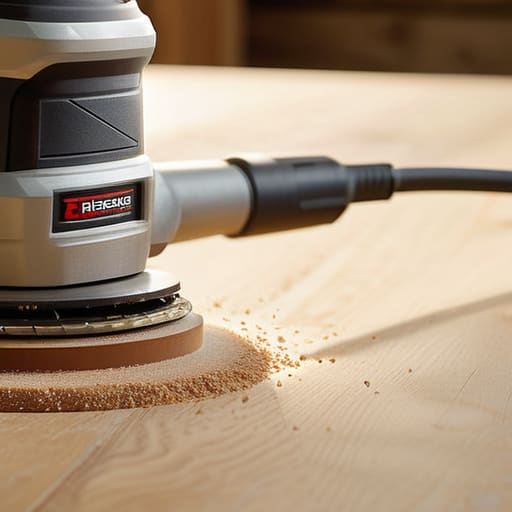
Electric sanders are motorized power tools that utilize high-speed vibration or orbital motion to strip away material rapidly. These devices work by converting electrical energy into mechanical movement, providing the primary benefit of extreme efficiency for large-scale tasks. If you are currently choosing between manual and electric sanders for a major project, like refinishing a sprawling dining table or smoothing out wide floorboards, these buzzing companions are absolute game-changers for your workflow.
I like to call my orbital sander, “Buster,” because he certainly lives up to his name when it comes to tackling stubborn, old varnish. While some purists might miss the slow pace of handwork, I’ve found that having a powerful tool like Buster can turn a grueling, day-long chore into a quick and satisfying victory. There is nothing quite like the feeling of seeing a rough, tired piece of timber transform into a silky-smooth canvas in just a matter of minutes, giving you more time to focus on the fun part—the design!
Comparison of Sanding Methods
| Feature | Manual Sanders | Electric Sanders |
|---|---|---|
| Power Source | Human Muscle | Electricity/Battery |
| Precision Control | Extremely High | Moderate |
| Speed & Efficiency | Low | High |
| Portability | Excellent | Limited by Cord/Battery |
| Price | Very Low | Moderate to High |
| Fatigue Level | High | Low |
| Best For | Fine Detail & Small Projects | Large Surfaces & Rapid Stripping |
Finding Your Rhythm Power Sander vs Hand Sanding
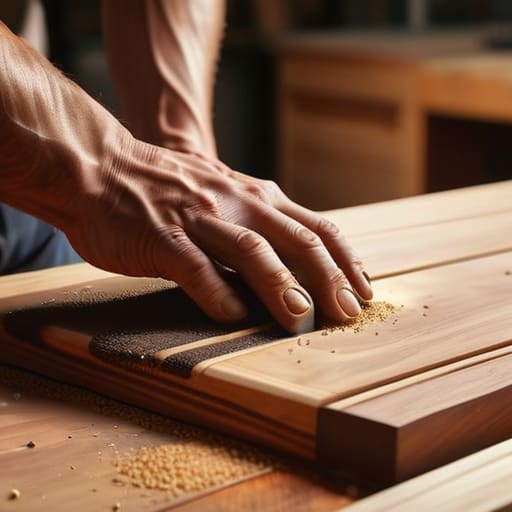
When we talk about finding your rhythm, we aren’t just talking about speed; we’re talking about the soul of the project. Whether you’re smoothing out a mid-century dresser or prepping a tabletop, the way you move with your tools determines if the process feels like a chore or a meditative dance. Getting this rhythm right is the difference between a surface that looks rushed and one that feels truly intentional.
Hand sanding is where I truly connect with the wood. There’s a slow, deliberate tempo to it—a tactile feedback that tells you exactly where the imperfections hide. It’s quiet, soulful, and lets you listen to the grain. On the other hand, an electric sander, like my trusty buddy “Buzz,” brings a high-energy tempo to the workshop. It’s all about momentum and efficiency, turning hours of labor into mere minutes of focused, rhythmic vibration.
While hand sanding offers a deep, personal connection, it can be exhausting for large surfaces. For most DIYers looking to balance passion with progress, the electric sander wins this round. It provides a consistent, driving beat that keeps your momentum high without wearing you out before the finish line.
Mastering Wood Surface Preparation Tools for Your Vision
When we talk about surface preparation, we aren’t just talking about removing old varnish; we’re talking about setting the stage for your masterpiece. If your prep work is rushed or uneven, even the most expensive designer paint will look subpar. Whether you’re prepping a vintage dresser or a reclaimed oak tabletop, the goal is to create a perfectly smooth canvas that invites touch rather than punishing it.
When you use an electric sander, like my old reliable “Buzz,” the speed is unmatched for stripping away heavy layers of old finish. It’s all about rapid progress and tackling those large, flat surfaces with efficiency. However, there’s a risk of leaving swirl marks if you aren’t careful. On the other hand, manual sanding allows for a level of intimate control that a machine simply can’t replicate. You can feel exactly how the grit is interacting with the wood grain, making it much easier to navigate delicate carvings or tight corners without over-sanding.
For this specific stage of the journey, I’m giving the win to manual sanding. While electric tools are great for the heavy lifting, the precision required for true surface perfection is best achieved by hand.
Finding Your Perfect Match
As we wrap up this little deep dive, it really comes down to the unique soul of your project. If you’re looking to tackle a massive dining table restoration or strip down some old floorboards, letting an electric sander take the heavy lifting will save your wrists and your sanity. But, if you’re working on a delicate vintage vanity—the kind where you need to feel every single groove—nothing beats the intentionality of hand sanding. Whether you choose the raw power of a machine or the quiet precision of a manual block, remember that the goal is the same: creating a surface that feels as good as it looks. It’s all about finding that sweet spot between efficiency and control.
At the end of the day, don’t let the fear of picking the “wrong” tool hold you back from starting. I remember when I first picked up a sander in my grandfather’s workshop; my hands were shaking, and I was convinced I’d ruin everything. But that’s the magic of DIY—you learn through the process. Whether you’re bonding with a high-powered orbital sander or getting to know the steady rhythm of a hand block, you are building something meaningful. So, grab your gear, give your new tools a name, and go make something beautiful. I can’t wait to see what you create!