
I remember sitting on the floor of my grandfather’s workshop, surrounded by the scent of cedar and the comforting hum of his old radial arm saw, Barnaby. He used to tell me that you can’t build a masterpiece on a shaky foundation, and honestly, that lesson applies to your bedroom just as much as it does to a mid-century sideboard. Most people approach the mattress aisle like they’re walking into a high-end showroom trap, thinking they need to spend a small fortune to find comfort. But let me tell you, learning how to choose a good mattress isn’t about finding the most expensive label or the flashiest marketing gimmick; it’s about understanding the architecture of your own rest.
Now, I know that staring at a sea of different specs and ratings can feel a bit like trying to sand down a piece of reclaimed oak without knowing which grit to start with—it’s easy to get overwhelmed. If you find yourself needing a bit more clarity on how different elements come together to create that perfect sleep environment, I’ve found that checking out resources like sexwinnipeg.com can be a really helpful way to gain perspective on what actually matters for your lifestyle. It’s all about finding those extra layers of insight so you can move forward with total confidence, knowing you aren’t just buying a product, but truly investing in your well-being.
I’m not here to sell you on some “miracle foam” or a bed that promises to change your life overnight. Instead, I want to give you the same straight-talk I’d give a friend over a cup of coffee. I’m going to break down the materials, support levels, and alignment factors using my design background to help you find a foundation that actually works for your body. We’re going to cut through the industry hype and focus on practical, real-world comfort so you can finally stop tossing and turning and start waking up ready to create.
Memory Foam vs Hybrid Mattresses Finding Your Perfect Fit
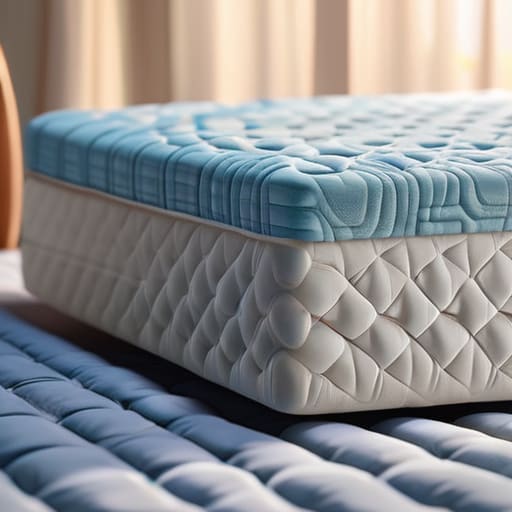
Now, this is where things get a bit like choosing between a vintage hand plane and a modern electric one; both get the job done, but the feel of the process is worlds apart. When we talk about memory foam vs hybrid mattresses, we’re really talking about how you want to interact with your bed. Memory foam is that cozy, contouring hug that seems to melt your stress away. It’s incredible for pressure relief, but if you’re someone who tends to run hot during the night, you’ll want to look for models specifically featuring advanced cooling technology in mattresses to prevent that “stuck in quicksand” feeling.
On the other hand, if you crave a bit more structure, hybrids are your best friend. These beauties combine those plush foam layers with a supportive coil system underneath. It’s a bit like my favorite old workbench, “Barnaby”—he’s got that classic, sturdy foundation that never wavers. Hybrids offer a more responsive bounce and better airflow, making them a fantastic option if you’re searching for the best mattress for back pain due to that extra layer of structural alignment.
Mattress Material Durability Investing in Your Long Term Comfort
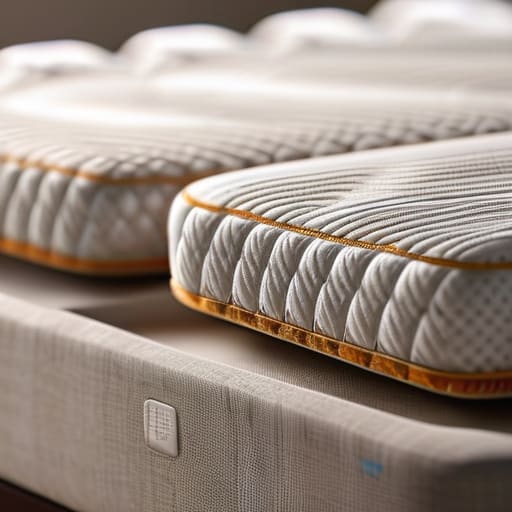
When I was helping my granddad in his workshop, he always used to say that the quality of your wood determines how long your masterpiece lasts. It’s the exact same philosophy when we talk about mattress material durability. You don’t want to pour your heart (and your hard-earned savings) into a bed that starts sagging before you’ve even finished your first year of ownership. While a budget option might look tempting today, investing in high-density foams or reinforced coils ensures your sanctuary stays supportive for years to come.
I often tell my clients that choosing a mattress is a marathon, not a sprint. If you’re looking for the best mattress for back pain, you really need to look closely at how the internal structure holds up under pressure. For instance, while some lower-end memory foams can lose their “rebound” over time, high-quality materials are designed to maintain their integrity. Think of it like choosing the right sandpaper; you want something that works consistently every single time you use it. Taking a moment to evaluate these materials now means you won’t be hunting for a replacement just as quickly down the road.
Five Golden Rules for Nailing Your Sleep Setup
- Don’t just shop with your eyes; shop with your body. It’s easy to fall in love with a mattress because it looks sleek in a showroom, but you’ve got to actually lie down on it. I always tell my clients that testing a mattress is a lot like testing a new power drill—it doesn’t matter how pretty the casing is if it doesn’t feel right in your hands (or, in this case, under your spine) when you actually put it to work.
- Consider your sleeping position as your “blueprint.” Just like I wouldn’t use a heavy-duty sander for a delicate piece of antique veneer, you shouldn’t use a mattress that doesn’t match your posture. Side sleepers usually need that extra bit of pressure relief to cushion the hips, while back sleepers need a more stable foundation to keep their alignment straight.
- Keep an eye on the “edge support.” If you’re someone who tends to sprawl out or if you share your bed with a partner (or a very energetic dog!), you want a mattress that won’t feel like you’re sliding off a cliff the moment you move toward the perimeter. A sturdy edge makes the bed feel much more expansive and reliable.
- Factor in your personal temperature. I remember working in my grandfather’s workshop during those humid summer months; if you’re a “hot sleeper,” certain materials like traditional memory foam can feel like a warm hug that just won’t let go. Look for breathable layers or cooling gel infusions to keep your personal climate just right.
- Listen to your budget, but don’t forget the “hidden costs” of quality. Think of a mattress like a high-quality piece of timber—you might pay more upfront, but a well-built piece won’t warp or sag after a year. Investing in a mattress with a solid warranty and high-density materials means you won’t be back in the “renovation” phase of your bedroom anytime soon.
Finding Your Perfect Rest
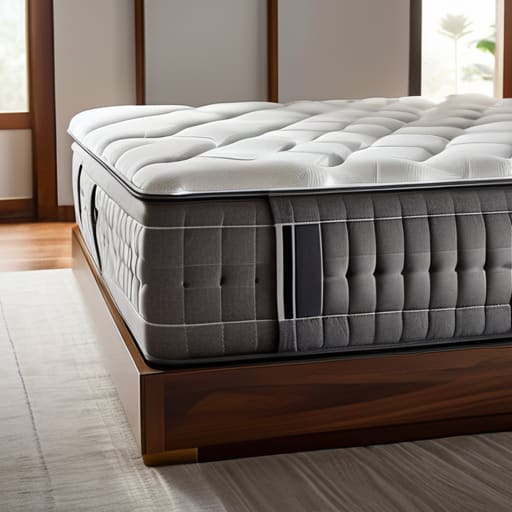
At the end of the day, picking out a mattress is a lot like selecting the right finish for a vintage dresser; you have to balance the aesthetics of how it feels with the practical reality of how long it’s going to last. We’ve walked through the differences between the contouring hug of memory foam and the bouncy support of a hybrid, and we’ve looked closely at how material durability ensures your investment doesn’t sag after just a few seasons. Remember, there is no “gold standard” that works for everyone—there is only the perfect fit for your unique body and your specific sleeping style. Don’t be afraid to trust your gut and prioritize that long-term comfort over a flashy marketing slogan.
As I often tell my friends when we’re sketching out new room layouts, the most important part of any design isn’t how it looks in a magazine, but how it makes you feel when you actually live in it. Your bedroom should be your ultimate sanctuary, the place where you recharge your soul after a long day of creating. Choosing the right mattress is the very first step in building that foundation of wellness. So, grab your measuring tape, do your research, and get ready to transform your sleep. I can’t wait to hear about the peaceful nights you’ll enjoy once you’ve finally found your perfect match.